
 Nederlands
 Français
 Deutsch
 Svenska
 Español



CASE Studies
Explore our case studies for BT-Maric constant flow valves and read how they ensure constant flow regardless of pressure.
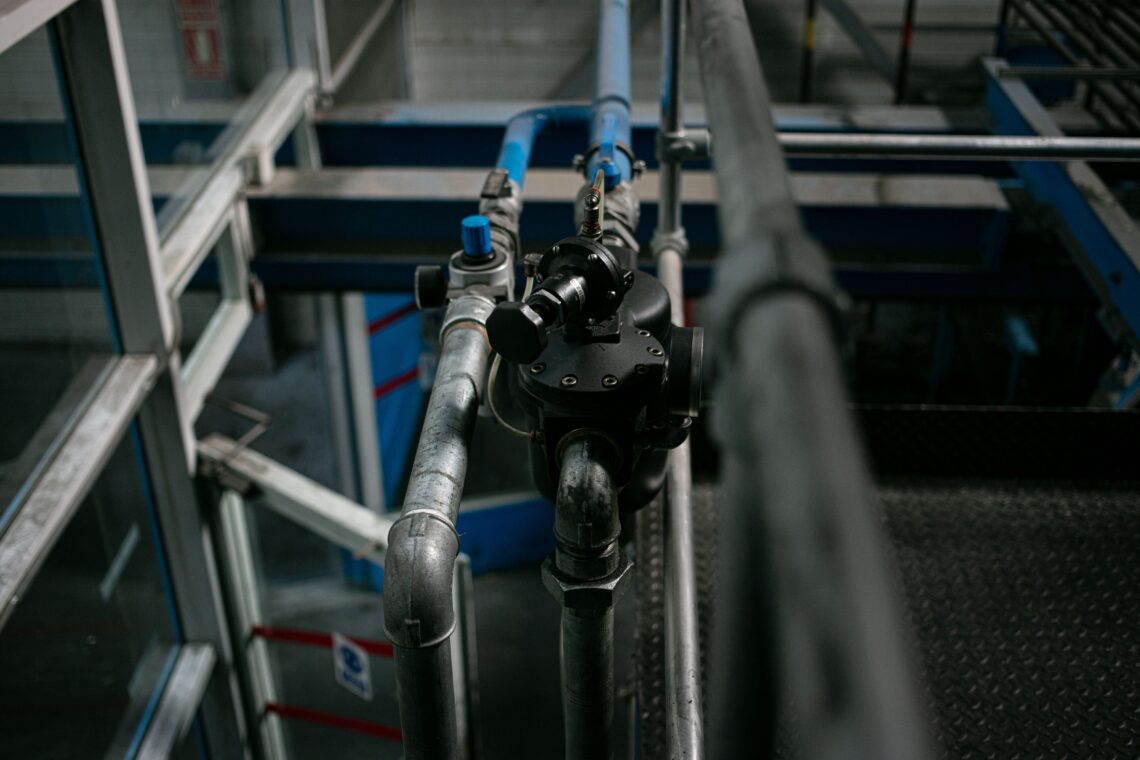


A constant flow valve holds a desalination plant’s dilution-water dosing to its design rate despite pressure swings — accurate chemical mixing, no overdosing. Here is the mechanism.

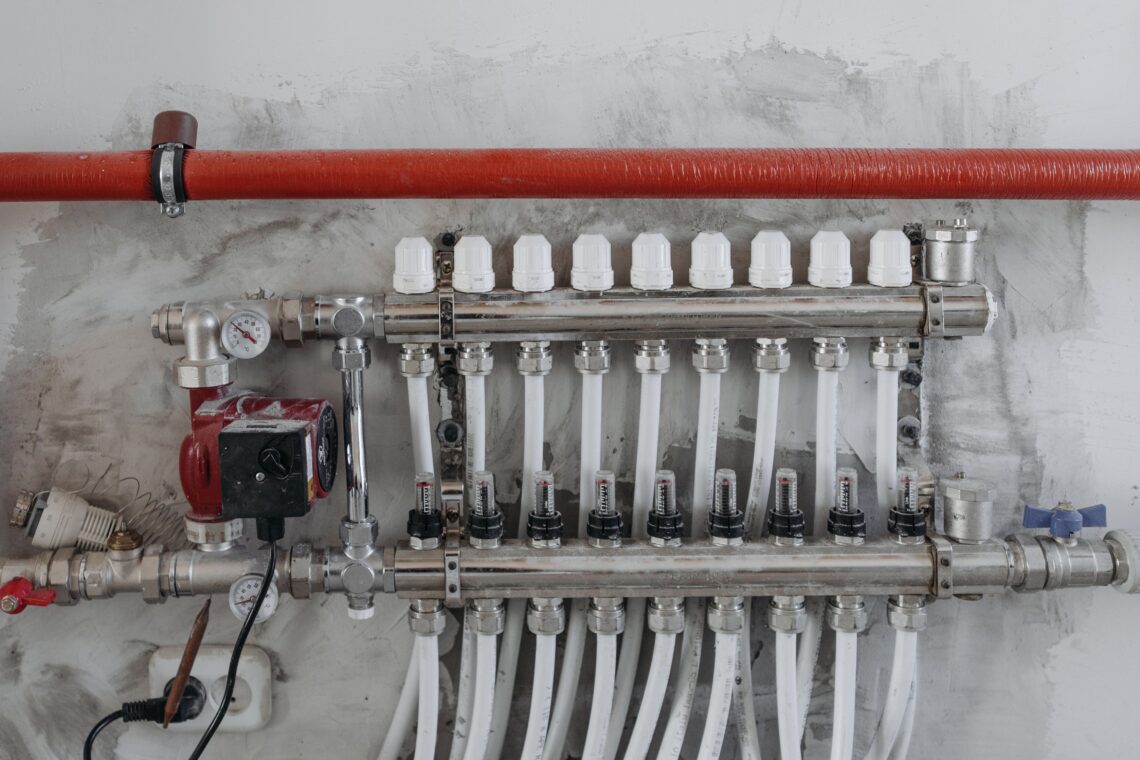
Mining gland water is one of the thirstiest flows on site. A constant flow valve holds each gland to its design rate regardless of pressure — here is the mechanism.

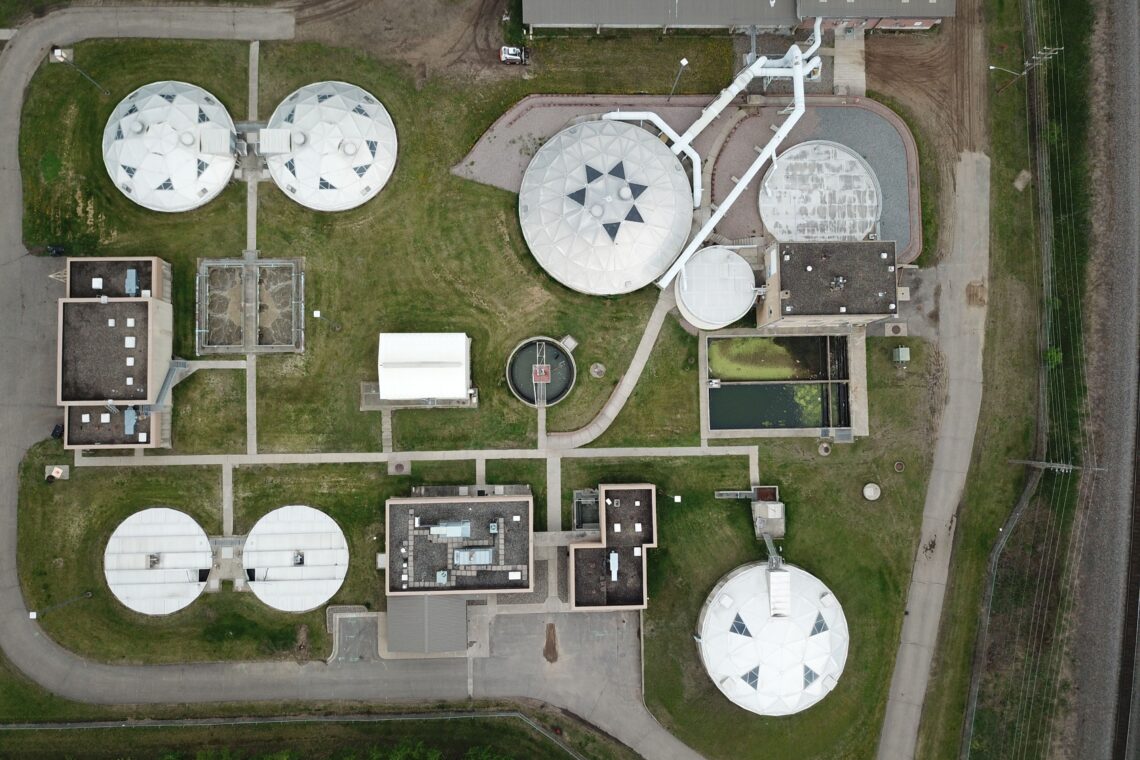
Groundwater depletion is a demand-side problem: a passive flow regulator caps every branch at its design flow, removing the avoidable withdrawal at the source.

AI Data center flow control: every cabinet now needs pressure-decoupled flow. The shared-header architecture that AI broke, and the mechanism that fixes it.

Maintaining stable cabin humidity is essential for passenger comfort and system performance aboard aircraft. To achieve this, humidifier systems using water are installed. However, one of the primary challenges…
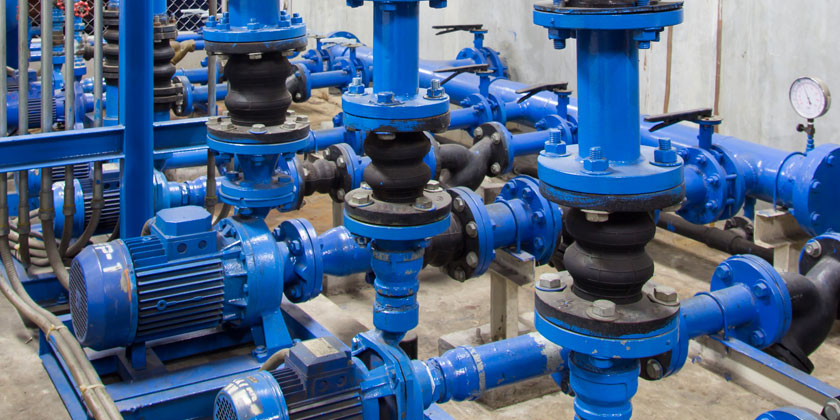
When a centrifugal pump operates beyond the Best Efficiency Point (BEP) on its performance curve—typically to the right-hand side—cavitation can occur. This may lead to shaft deflection, excessive seal and…
- 1
- 2